
How to Sell an Inherited House in Cincinnati: 2026 Guide
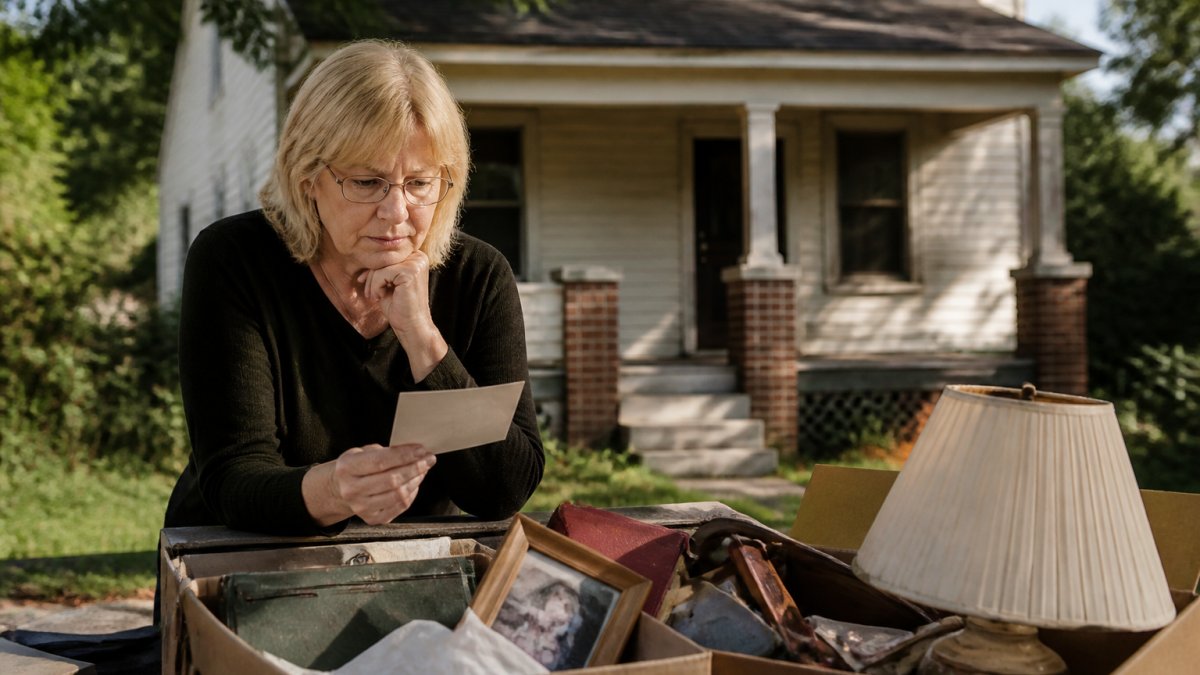
Table of Contents
- How to Sell an Inherited House in Cincinnati: First Steps
- Understanding the Probate House Sale Timeline in Cincinnati
- Ohio Inherited Property Taxes and What You Will Owe
- Selling Inherited Property with Multiple Heirs
- Can You Sell an Inherited House As-Is?
- Sale Route Comparison: Cash Offer vs. Traditional Listing
- Avoiding Scams and Evaluating Cash Offers
- Frequently Asked Questions
Last Updated: October 16, 2026
How to Sell an Inherited House in Cincinnati: First Steps
Selling an inherited house in Cincinnati starts with one question: do you have the legal right to sell it yet?
At Tree House Properties, we have worked with Tri-State families, and we see the same pattern repeat.
Here is the good news. Once you confirm your authority and gather a few key documents, the rest of the process moves faster than most people expect.
Confirm Your Legal Authority to Sell
Who can legally sell an inherited house depends on how the estate is set up. There are three common paths:
- Executor or administrator: Named in the will or appointed by the court. This person sells the property on behalf of the estate.
- Trustee: If the home was placed in a trust, the trustee holds the power to sell.
- Heir on the deed: If the property transferred outside probate, the heir named on the deed can sell directly.
If the deceased owned the home alone with no will, the court appoints an administrator. Until that happens, nobody has the legal authority to sell.
Gather Your Documents
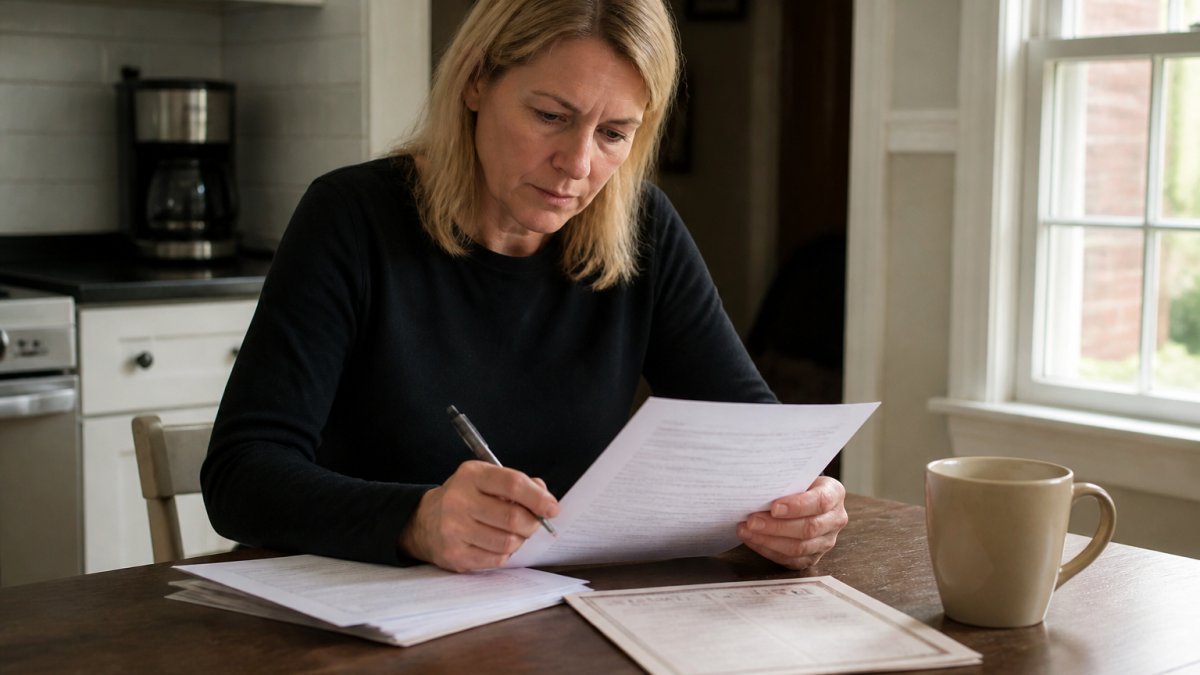
Before you list or accept any offer, pull these together:
- Certified copy of the death certificate
- The will, if one exists
- Letters of appointment from probate court
Missing paperwork slows everything down. A title company cannot close without a clear chain of ownership.
Understanding the Probate House Sale Timeline in Cincinnati
A probate house sale timeline in Cincinnati typically runs three to six months from filing to closing. Simple estates move faster. Contested ones can stretch past a year.
The clock starts when someone files the estate with the court. After the court appoints a representative, that person gains authority to sell. Some estates sell during probate with court approval. Others wait until probate closes.
Here is a rough order of events:
- File the estate and open probate
- Court appoints the executor or administrator
- Inventory the estate assets, including the home
- Get court approval to sell, if required
- Accept an offer and open escrow
- Close and transfer the deed
Hamilton County Probate Court Basics
Hamilton County Probate Court handles estates for properties inside Cincinnati and most of the surrounding county. Neighboring counties run their own courts with their own filing rules.
You can find forms, filing fees, and local rules on the Hamilton County Probate Court official site. Filing requirements change, so confirm current steps there before you file.
A common mistake is assuming every county works the same way. They do not.
Document Checklist Before You List
Most delays trace back to one missing page. Pull these together before you talk to any buyer or agent:
- Certified copy of the death certificate (order several, title companies and lenders each want one)
- The will, if one exists, plus any codicils
- Letters of appointment or letters testamentary from the probate court
A title company cannot close without a clear chain of ownership. If the deed still shows only the deceased's name and no probate has been opened, no reputable title company will insure the sale.
What Actually Slows a Sale Down
Three things stall Cincinnati probate sales more than anything else:
- An unopened estate. Until the court appoints someone, nobody has authority to sign a deed. Every week spent deciding who will file is a week the house sits empty.
- Unpaid property taxes or a mortgage in default. These follow the property. A title search will surface them, and they get paid at closing, but only if the numbers still work for the buyer.
- A missing or contested heir. If the will is unclear or an heir cannot be located, the court may require a formal notice process before it will approve a sale.
Ohio Inherited Property Taxes and What You Will Owe
Ohio inherited property taxes do not disappear when the owner dies. Someone still owes them, and unpaid taxes follow the property, not the person.
Two tax issues matter most: property taxes during ownership and capital gains when you sell.
Property Taxes During Ownership
The estate owes property taxes from the date of death until the sale closes. If the estate has no cash, the heirs often cover them and get reimbursed from sale proceeds.
Watch for these:
- Delinquent taxes: Unpaid bills can trigger a tax lien or a sheriff's sale.
- Homestead exemption: This credit usually ends when the original owner dies. Confirm with the county auditor.
- Vacancy issues: Empty homes still owe taxes, plus insurance and upkeep.
Capital Gains and the Stepped-Up Basis
Here is the part most guides get wrong. You usually do not owe much capital gains tax on an inherited house.
The stepped-up basis resets the home's value to its fair market value on the date of death.
Example: The home was worth $250,000 on the date of death. You sell it a year later for $255,000.
The IRS explains this in IRS Publication 551 on basis of assets.
Selling Inherited Property with Multiple Heirs
Selling inherited property with multiple heirs comes down to one thing: agreement. If every heir signs off, the sale is simple. If one refuses, everything stalls. Most competitors stop there.
Start with a family conversation. Get clear on three points:
- Who wants to sell and who wants to keep the home
- How proceeds will be split
- Who covers ongoing costs like taxes and insurance
Put the answer in writing, even if it is a simple one-page agreement signed by every heir. Verbal deals fall apart, and a missing signature can kill a closing at the last minute.
When Heirs Want Different Things
Unequal shares are common and rarely match what heirs want emotionally. A sibling who lived nearby and maintained the home for years may feel entitled to more than a sibling who moved away. Ohio law does not automatically reward that effort unless the will says so, which is why these disputes are so often about fairness, not paperwork.
Three workable paths exist:
- Buyout. One heir (or several) buys out the others' shares at an agreed value. This keeps the home in the family and ends the shared-ownership problem. The buyer typically needs financing or cash, and the others need to agree on the price. An appraisal is the cleanest way to settle the number.
- Mediation. A neutral third party helps heirs reach a written agreement without a courtroom. It is usually faster and cheaper than litigation, and it preserves relationships better than a court fight.
- Partition or court-ordered sale. If heirs truly cannot agree, a court can order the property sold and the proceeds divided. This is the most expensive and slowest option, and it usually leaves everyone with less.
The Heir Who Will Not Cooperate
One holdout can block a sale indefinitely. Before assuming the worst, confirm the facts:
- Is the person actually an heir, or do they just believe they are?
- Did the will give them a share, or did it leave them out?
- Are they refusing to sign, or simply not responding?
If an heir cannot be located, courts generally allow a formal notice process, publishing notice and documenting the effort, before approving a sale. If an heir is refusing, the options narrow to negotiation, mediation, or a court order. A real estate attorney who handles probate matters in the county where the property sits is the right person to advise on which path applies.
Costs While You Wait
Disagreement has a price. Every month the home sits, the estate (or the heirs) pays property taxes, insurance on a vacant home, utilities, and any mortgage interest. Winter adds heating and freeze risk. Those costs come out of the proceeds before anyone gets paid, which means a long fight shrinks everyone's share.
Can You Sell an Inherited House As-Is?
Yes. You can sell an inherited house as-is in Ohio, and you do not have to fix anything first.
This matters when the home needs major work. Old roofs, outdated wiring, water damage, or years of neglect scare off traditional buyers.
What you still owe:
- Clear title and the legal right to sell
- Disclosure of known defects, per Ohio law
- Any liens, mortgages, or back taxes paid at closing
An as-is sale does not mean hiding problems. It means you are not fixing them. The buyer prices that risk into their offer.
Sale Route Comparison: Cash Offer vs. Traditional Listing
Two main routes exist: a cash offer or a traditional listing with a real estate agent.
A traditional listing can bring a higher gross price. But it also brings commissions, repairs, staging, and months of waiting.
| Factor | Cash Offer | Traditional Listing |
|---|---|---|
| Timeline | Days to weeks | Months |
| Repairs | None needed | Often required |
| Commissions | None | Agent fees apply |
| Showings | None | Ongoing |
| Price | Below retail | Top of market |
| Certainty | High | Can fall through |
Here is the honest math. A listing might net more on paper.
Tree House Properties buys homes in any condition across the Tri-State area.
Avoiding Scams and Evaluating Cash Offers
Not every cash offer is honest. Some out-of-state buyers lowball grieving families who do not know the home's value.
Protect yourself with these steps:
- Get an independent appraisal or a real estate agent's opinion of value
- Compare at least two or three offers
- Ask for proof of funds before you sign
A fair cash buyer explains the offer, shows the numbers, and never pressures you. If a buyer rushes you or hides the math, walk away.
The Consumer Financial Protection Bureau offers guidance on spotting predatory real estate practices. Read it before you sign anything.
Frequently Asked Questions
How do I avoid capital gains tax when selling an inherited house in Cincinnati?
When you inherit a house, the IRS gives you a stepped-up basis, meaning the home's value is reset to its fair market value on the date of the deceased owner's death. If you sell immediately for that amount, you typically owe no capital gains tax. If you sell later for more, you only pay tax on the increase above the stepped-up basis. Consult a tax professional for your specific situation.
Can I sell an inherited house in Cincinnati before probate is complete?
In most cases, you cannot sell an inherited house until the probate court grants the executor or administrator legal authority to act on behalf of the estate. Ohio law allows a transfer-on-death affidavit for some properties, which can bypass probate. If the house was held in a trust or jointly with rights of survivorship, probate may not be required at all. Check with a probate attorney to confirm your situation.
What happens if multiple heirs disagree about selling an inherited house?
When heirs disagree, Ohio law allows a partition action where a court can order the property sold and divide the proceeds. This is expensive and slow. A better path is a family agreement or a buyout where one heir purchases the others' shares. If you are working with a cash buyer, they can sometimes structure a purchase that satisfies all heirs at once, avoiding court involvement.
Should I sell an inherited house as-is or make repairs first?
It depends on the condition and your timeline. An as-is sale means you sell without fixing anything, which saves time and money on repairs. Traditional listings often net more but require upfront investment and months of showings. In Cincinnati, older homes may have deferred maintenance that scares off retail buyers. A local cash buyer can give you an offer within 24 hours and close in as little as 7 days, letting you skip repairs entirely.
Selling an inherited house in Cincinnati is stressful, especially when probate, taxes, and family disagreements pile up at once. Tree House Properties makes it simpler. We buy homes in any condition, charge no fees or commissions, and give you an honest cash offer within 24 hours. We can close in as little as 7 days or on your timeline, and we will tell you when listing is the better path. Start a conversation with our team and find the option that fits your family.