
9 Steps to Prepare Your House for a Cash Buyer Inspection
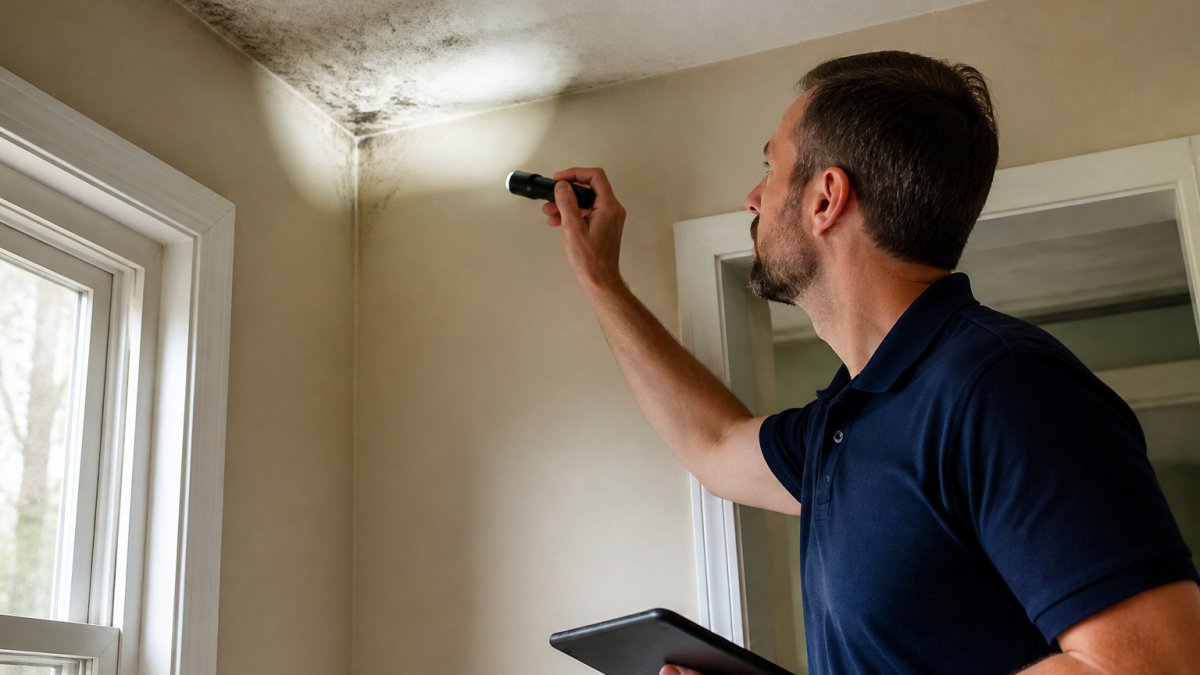
Last Updated: October 30, 2026
Quick Summary
To prepare for a cash buyer inspection, clear access to key systems, make sure utilities are on, unlock attics and crawl spaces, and disclose known problems honestly. A cash buyer inspection checks the parts of the house that cost the most to fix, such as the roof, foundation, plumbing, electrical system, and heating and cooling.
- Clear a path to the electrical panel, water heater, and furnace before the visit.
- Keep all utilities on, including water, gas, and electricity, during the inspection.
- Unlock the attic, basement, crawl space, and garage so every area can be checked.
- Disclose known leaks, cracks, or problems, since hidden issues often cause bigger price drops later.
- Avoid painting over water stains right before the inspection, because fresh paint raises questions.
Table of Contents
- What a Cash Buyer Inspection Actually Covers
- How Long Does a Cash Buyer Inspection Take?
- Cash Buyer Inspection Checklist: What to Prepare Before They Arrive
- Room-by-Room Tips: Kitchen, Bathrooms, and Living Areas
- Exterior and Structural Points Inspectors Check First
- Should You Make Repairs or Sell As-Is?
- Frequently Asked Questions
What a Cash Buyer Inspection Actually Covers
When a cash buyer agrees to purchase your home, an inspection is usually the next step. Our cash offer contingencies explained article covers which protections cash buyers still keep and how inspection and proof of funds work. A cash buyer inspection checks the condition of your house so the buyer knows what they are getting.
The inspection focuses on the parts of the house that cost the most to fix. Inspectors look at the roof, foundation, plumbing, electrical system, heating and cooling, and signs of water damage or pests. They are not grading your decorating. They are checking whether the home is safe, functional, and worth the agreed price.
Many sellers worry that a cash buyer will find more problems than a traditional buyer would. The truth is simpler. Cash buyers often hire inspectors to confirm the basics, then make an offer that reflects what they find. Knowing this helps you stay calm during the visit.
How Long Does a Cash Buyer Inspection Take?
The length of a cash buyer inspection depends on the size and age of the home and what the buyer is checking. Plan to be away from the house during the visit if you can.
Here is what affects the timing:
- Home size: More square footage means more area to check
- Age of the home: Older systems often need more attention
- Access issues: Locked attics, crawl spaces, or sheds slow things down
- Number of inspectors: Some buyers send a general inspector plus a specialist
Watch out: Do not schedule other visitors, like an appraiser or contractor, during the inspection window. Overlapping visits can lead to missed areas and rushed notes.
The article lists the main factors that affect how long a cash buyer inspection runs.
| Factor | Effect on timing | Note |
|---|---|---|
| Home size | More square footage means more area to check | Plan for a longer visit in larger homes |
| Age of the home | Older systems often need more attention | Older systems take longer to assess |
| Access issues | Locked attics, crawl spaces, or sheds slow things down | Unlock these areas before the visit |
| Number of inspectors | Some buyers send a general inspector plus a specialist | Two inspectors can extend the visit |
Cash Buyer Inspection Checklist: What to Prepare Before They Arrive
Preparing ahead of time makes the inspection smoother and helps prevent surprises. Work through this list a day or two before the visit.
- Clear a path to the electrical panel, water heater, and furnace
- Make sure all utilities are on, including water, gas, and electricity
- Replace burnt-out light bulbs so every room is visible
- Gather any receipts or records for recent repairs or upgrades
- Unlock the attic, basement, crawl space, and garage
- Remove or secure pets so the inspector can work safely
- Test smoke and carbon monoxide detectors
- Note any known leaks, cracks, or problems so you can answer questions honestly
Honest answers build trust. If you know about a leaking faucet or a sticky window, mention it. Sellers who hide known issues often face bigger price drops later.
Room-by-Room Tips: Kitchen, Bathrooms, and Living Areas
Inspectors check every room, but they pay close attention to a few key spots. A little preparation in each room goes a long way.
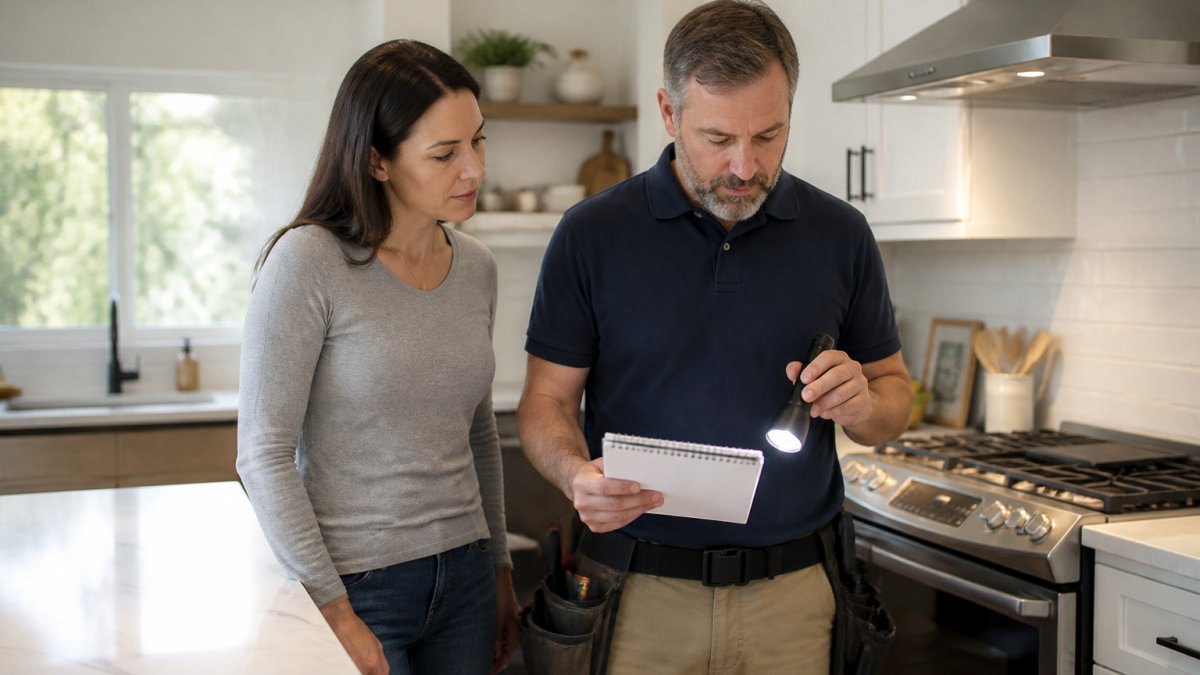
Kitchen
Kitchens are a good place to start, since they hold many of the systems inspectors check.
- Run the sink and check for slow drains or leaks under the cabinet
- Test the stove, oven, and range hood
- Clear out the space under the sink so the inspector can see the pipes
- Make sure the dishwasher drains and runs properly
Bathrooms
Bathrooms are one of the most common places for hidden water damage.
- Run every faucet and shower, then check for dripping
- Flush each toilet and confirm it refills correctly
- Look for soft spots or stains on the floor around the tub and toilet
- Check that the exhaust fan works
Living Areas
Living spaces matter less for structure but still get checked.
- Open and close all windows and doors
- Test light switches and outlets
- Note any cracks in walls or ceilings
- Make sure fireplaces are safe to inspect and not blocked
Exterior and Structural Points Inspectors Check First
Inspectors often start outside. The exterior shows early warning signs of bigger problems.
- Roof: Look for missing shingles, sagging areas, or damaged flashing
- Gutters and downspouts: Confirm they are attached and direct water away from the foundation
- Foundation: Check for large cracks or uneven settling
- Siding and trim: Look for rot, peeling paint, or gaps
- Grading: Make sure the ground slopes away from the house
- Driveway and walkways: Note any trip hazards or heavy cracking
A common mistake is painting over problem areas right before the inspection. Inspectors notice fresh paint covering water stains, and that tends to raise more questions, not fewer.
Should You Make Repairs or Sell As-Is?
This is the question many sellers ask after the inspection. Our complete guide to selling without making repairs explores your options and compares cash offers with traditional sales. The answer depends on your timeline, your budget, and how much work the house needs.
Making repairs can help a traditional sale, but it costs money and time. Our hidden costs of selling a house guide shows which fees and repairs actually reduce your net proceeds. Selling as-is means the buyer accepts the home in its current condition, and you skip the repair process altogether. Read our complete guide to selling as-is for cash to compare offers and understand closing timelines.
Here is a simple way to decide:
- Repairs make sense when the fix is small, inexpensive, and clearly raises value
- Selling as-is makes sense when repairs are large, costly, or hard to schedule
- Ask for a written list of what the buyer wants addressed before you spend anything
Honesty works best here. A licensed Realtor can give you honest advice on whether a repair is worth doing before you spend anything.
Frequently Asked Questions
Do cash buyers actually perform home inspections?
Yes. Many cash buyers walk through a property before making an offer, even though they do not need a lender's appraisal. The inspection helps them understand the condition, estimate repair costs, and set a realistic offer. Because cash buyers often purchase properties in any condition as-is, the walkthrough is usually less about passing a standard and more about identifying what they will need to address after closing. Ask the buyer to explain what they looked at and how they reached their number.
What do cash buyers look for during an inspection?
Cash buyers focus on the items that most affect repair cost and resale value. They typically check the roof, foundation and visible cracks, the electrical panel, plumbing fixtures and water heater, HVAC system, signs of water damage or mold, and the general condition of flooring, walls and windows. They also look at the exterior drainage, the condition of the driveway and gutters, and any evidence of pest activity. Knowing these areas in advance lets you address the simplest issues before the walkthrough and explain the rest clearly when it happens.
Can I sell my house as-is to a cash buyer?
Yes, selling as-is is one of the main reasons homeowners work with cash buyers. As-is means you do not have to complete repairs, deep cleaning or updates before closing. The buyer still inspects the property, and the offer reflects its condition. Even so, be honest about known problems such as a leaking roof or past flood damage, since undisclosed issues can cause trouble later. Clear, accurate answers during the walkthrough help keep the process smooth and build trust with the buyer.
Should I make repairs before a cash buyer inspection?
Usually only minor fixes are worth doing beforehand. Clearing clutter, replacing burned-out light bulbs, fixing a dripping faucet, and making sure every room is accessible costs little and makes the walkthrough easier. Major repairs such as a new roof or foundation work rarely pay off because cash buyers already factor these costs into their offer. Spending heavily before the inspection can leave you with money tied up in work the buyer would have handled anyway.
Ready to see what your house is worth to a cash buyer without the usual hassle? Get in touch with Tree House Properties to start a conversation about your options, from a fast closing to a tailored plan. Book a property walkthrough with us and get an honest cash offer, with no fees, no commissions, and no pressure.
